Zirconia vs Porcelain Crowns: Which Should You Choose?
The differences that actually matter between zirconia, porcelain-fused-to-metal and all-ceramic crowns — and where each one makes sense.
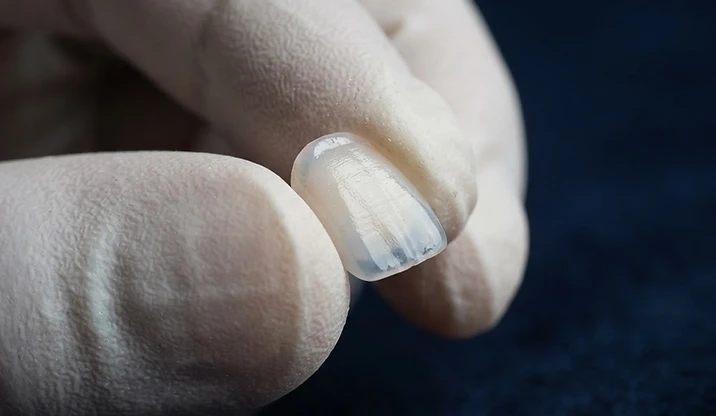
Patients often arrive asking for "porcelain" when they mean "white crowns", and for "zirconia" when they mean "the good ones". The two are not rivals in the way it sounds. They are different materials with different trade-offs.
The three options you'll actually be offered
Porcelain fused to metal (PFM). A metal shell with porcelain layered over it. Strong, well proven, and usually the cheapest of the three. The trade-off is the metal: it blocks light, so the crown looks slightly more opaque than your own teeth, and if your gum recedes over the years a dark line can appear at the margin.
Full porcelain (including lithium disilicate). Layered ceramic with no metal. Outstanding aesthetics — arguably the most lifelike option for front teeth. It is more brittle than zirconia, which matters most at the back of the mouth where forces are highest.
Zirconia. A high-strength ceramic, usually milled from a single block. Very strong, metal-free and tooth-coloured, and it can be made thin — which means less of your own tooth needs to be removed.
Side by side
- Strength: zirconia is the strongest of the three. Full porcelain is the most fragile.
- Appearance: full porcelain and modern zirconia are both excellent. PFM is good but less translucent.
- Gum line: metal-free options avoid the grey line if gums recede.
- Tooth removal: zirconia can often be made thinner, so preparation can be more conservative.
- Wear on opposing teeth: all crowns should be shaped and polished correctly. Your dentist will match materials thoughtfully rather than mixing them blindly.
- Cost: PFM is usually the cheapest, zirconia sits in the middle, premium layered ceramics at the top.
So which one?
There is no single right answer, and any clinic that says otherwise is simplifying for its own convenience. The sensible approach:
- Front teeth: aesthetics matter most. Modern zirconia and layered ceramics are both strong choices.
- Back teeth: strength and wear matter most. Zirconia's strength is useful here.
- A mix: many full-mouth cases combine materials tooth by tooth, chosen for load and appearance.
What to ask your dentist
- Which material are you recommending for each tooth, and why?
- Where is the crown made, and in which laboratory?
- How much of my tooth will be removed?
- How do the materials you're proposing behave against each other in my bite?
- What is the realistic lifespan, and what would a replacement involve?
If the answer is "we always use X", it is worth a second opinion.
The short version
Porcelain fused to metal is the traditional, budget option. Full porcelain is the most beautiful but the most delicate. Zirconia is the strongest metal-free option and is often the best all-round choice — but the right material depends on the tooth, the bite and the plan.
See how we use zirconia in full smile work on our zirconia crowns in Turkey page, and what it costs in our dental packages.
This article is general information, not medical advice. Your dentist will recommend materials based on your own clinical situation.
Want to talk through your own situation? Our coordinators answer questions with no obligation — in plain English, before you commit to anything.